Blogs

June, 2026
From Fragmentation to Flow: Rethinking Payments at Scale in India's Marketplace Economy
Everyone talks about scale. No one talks about the complexity it creates. As India's marketplace economy expands, payments are becoming the biggest operational challenge hiding in plain sight. Are your systems enabling transactions, or orchestrating them? India’s largest retailers are moving from fragmentation to flow using 360 degree solutions in retail payments.
May, 2026
How Physical Surveillance Is Reshaping Cost and Capital Efficiency in Banking Infrastructure
India’s banking system operates the world’s third largest ATM network globally, with over 2.5 Lakh ATMs and an extensive branch footprint. Managing this infrastructure has historically involved significant operating expenditure, particularly around on-site security, maintenance, and cash logistics. Recent shifts toward electronic surveillance, remote monitoring, and AI-enabled systems are introducing measurable changes in cost structures and capital deployment.
April, 2026
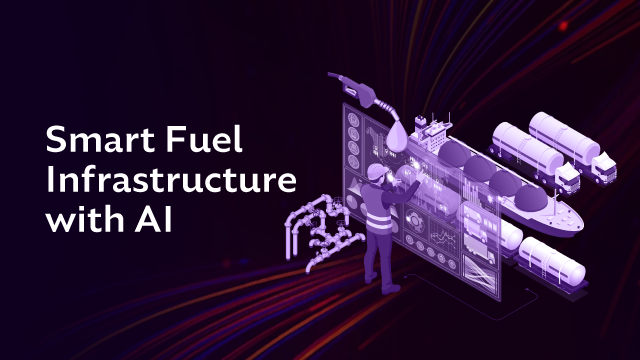
Decoding the Next Frontier of Fuel Station Operations: From Visibility Gaps to Intelligent Infrastructure
Fuel station operations are moving toward centralised, AI-led platforms that unify visibility, monitoring, and decision-making. At the core of this transformation is a single dashboard enabling centralised access across sites, Vision AI-driven alerts that detect anomalies in real time, Live and historical video access for immediate response and audit trails and custom analytics and reporting to track performance, risks, and compliance.
March, 2026
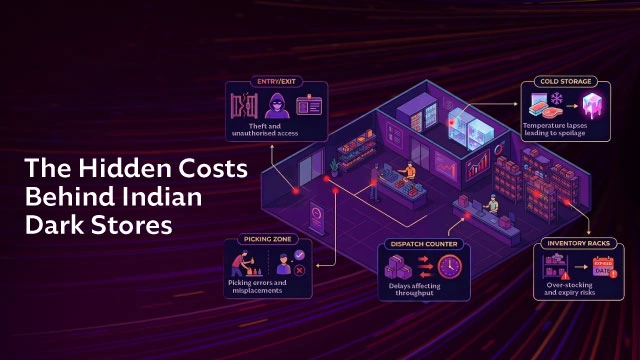
The Case for Real-Time Operational Intelligence in Quick Commerce
India's quick commerce sector has emerged as one of the fastest-evolving expressions of digital demand. With dark stores projected to reach 5,000–5,500 by FY26, platforms are scaling rapidly to meet expectations of near-instant fulfilment. In this environment, real-time operational intelligence, powered by AI-led analytics across physical infrastructure, is becoming critical. It enables companies to transform distributed inventory points into predictable, efficient engines of fulfilment, reducing shrinkage and improving working capital efficiency.
February, 2026
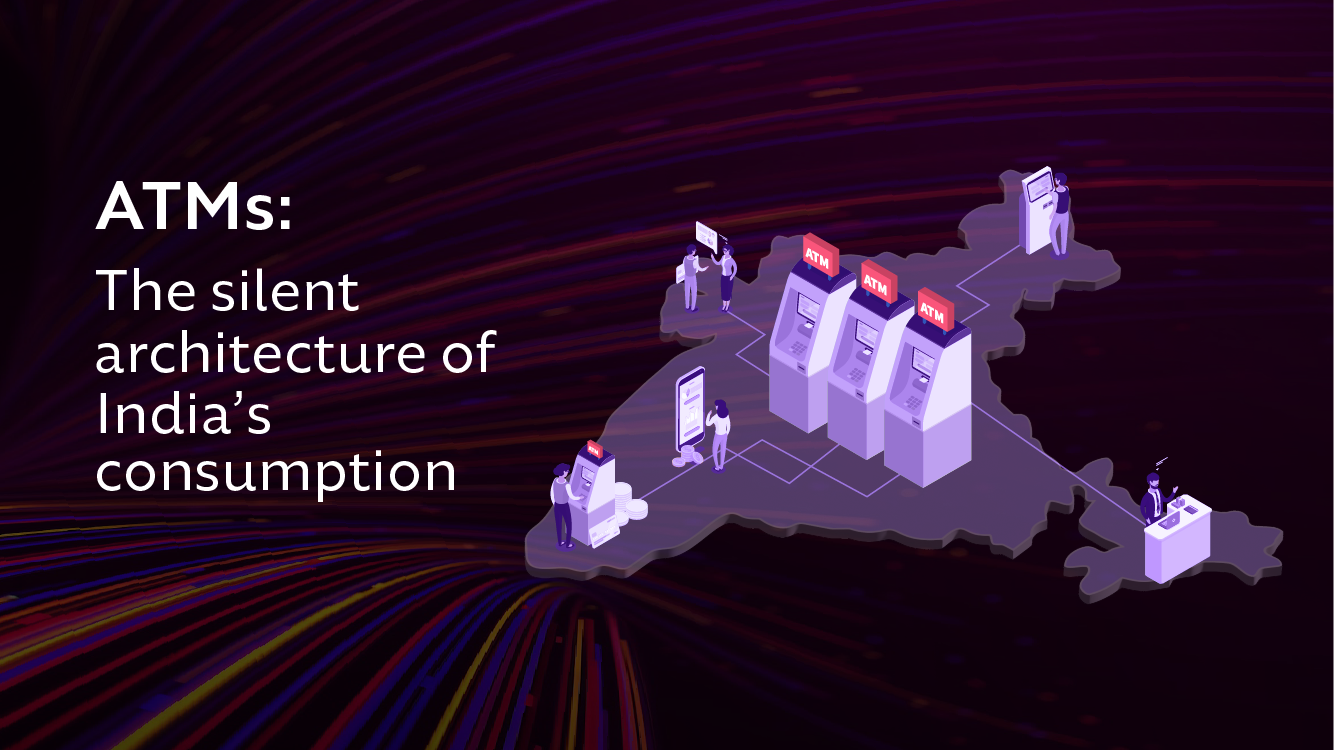
The Network Behind India's Demand Story
ATMs sit at the heart of India’s everyday economic movement, ensuring liquidity reaches households, kirana stores, transport networks, and local markets where spending happens in real time. In a country marked by sharp regional variations in consumption, a resilient ATM network serves as the critical last-mile bridge, keeping commerce flowing and access dependable. More than machines, ATMs are trust enablers, connecting formal banking liquidity to the broader economy and making financial inclusion truly functional.

January, 2026
India's cash usage in CY'25 reflects a shift in consumption behaviour
India's 2025 consumption story is one of recalibration, not retreat. Spending is becoming more targeted, seasonal, and regionally nuanced—shaped by rising incomes beyond metros, policy shifts, and even climate patterns that influence when and how people spend. Amid this, cash continues to offer a clear, ground-level lens into everyday consumption, revealing how Indian consumers balance priorities and trade-offs in real time.
December, 2025
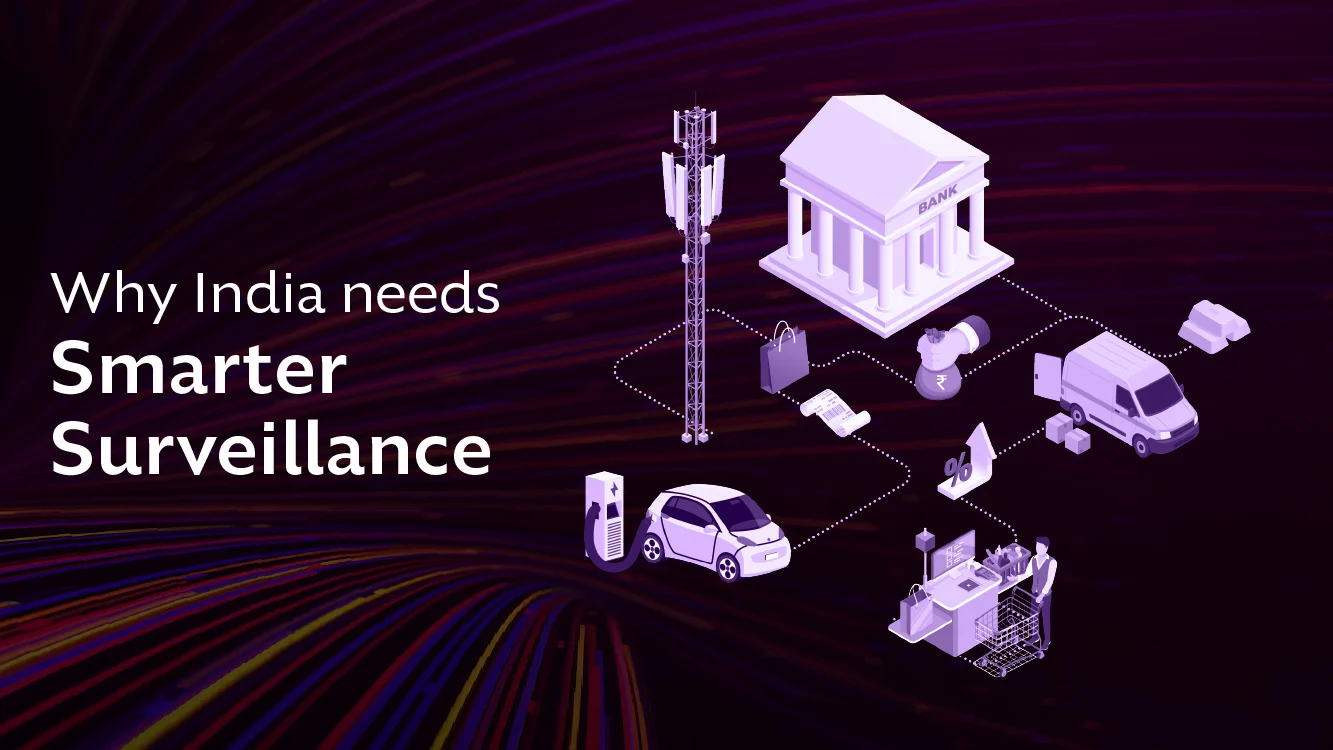
The Massive Hidden Security Gap in India's Banks: 80% Bank Branches Still Lack AI Surveillance
India's banking and retail footprint has scaled rapidly over the past decade—bank branches rising from ~1.17 lakh in FY14 to ~1.60 lakh in FY24, alongside a fivefold surge in retail payment transactions. As this physical infrastructure expands, a new layer of intelligence is emerging. AI-enabled surveillance is gaining momentum, powered by advances in edge computing and video analytics, and driven by growing expectations around safety, compliance, and operational efficiency.
November, 2025
Spendception: The Impact of Digital Payments on Consumer Behaviour and Purchase Decisions
The reduced visibility of a transaction shapes consumer psychology, and, in turn, influences spending behaviour and purchase decisions. Spendception is the evolution of the way we interact with money, make purchases and manage our finances. For businesses and consumers alike, staying informed about these trends and adapting to the changing digital payment ecosystem will be crucial while finding balance in an inclusive, non-binary payment ecosystem.
October, 2025
Making Branch Banking Smarter
As digital channels mature and data becomes richer, the definition of surveillance, and its ability to drive growth, is being rewritten by artificial intelligence. Today, AI makes it possible to deliver contextual, real-time, and cross-channel personalisation at scale. And nowhere is this shift more visible than in branch banking, where AI is transforming traditional, transaction-led branches into intelligent, insight-driven customer engagement hubs.
September, 2025
The Resilient Rise of Rural India in a consumption-led economy
The launch of GST 2.0 from September 22 is set to reshape India’s consumption story, boosting spending power, simplifying business operations, and fuelling economic growth and rural India seems to be taking lead. The next phase of India’s consumption growth is unravelling beyond the metros and fast.
August, 2025
Banking deserts vs. banking access: How India is already ahead of the global curve
Across the world, governments are waking up to a worrying trend: the silent spread of “banking deserts.” As branches shut down in pursuit of cost-efficiency, vast sections of people, often the elderly, rural, or financially vulnerable, find themselves cut off from basic banking services. India’s strength lies in its phygital model — seamlessly blending physical branches with digital innovation. This dual model ensures India avoids banking deserts. Instead of retreating, banks are embedding deeper into communities, while digital rails improve efficiency and reach.
July, 2025
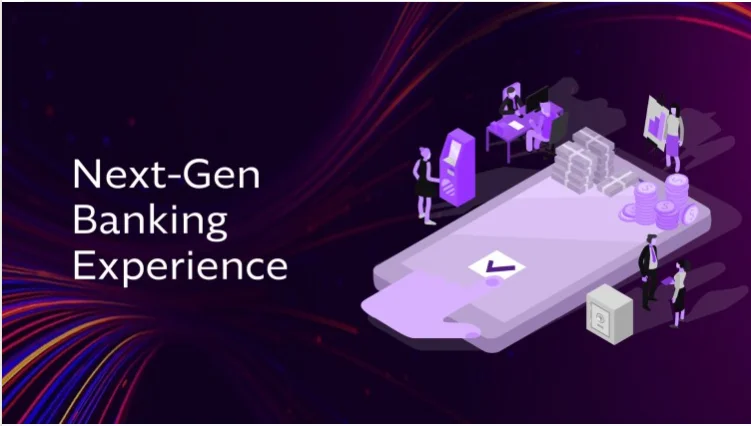
From Transactions to Trust: Rethinking Customer Experience in Banking
While the future banking landscape emphasizes digital payments and online transactions, certain traditional services remain indispensable. It is therefore, not surprising that banks are increasingly turning their focus on transforming customer experience by bridging the gap between emerging digital ecosystems and the enduring needs of diverse customer segments, enhancing trust and inclusion in a rapidly evolving financial environment.
June, 2025
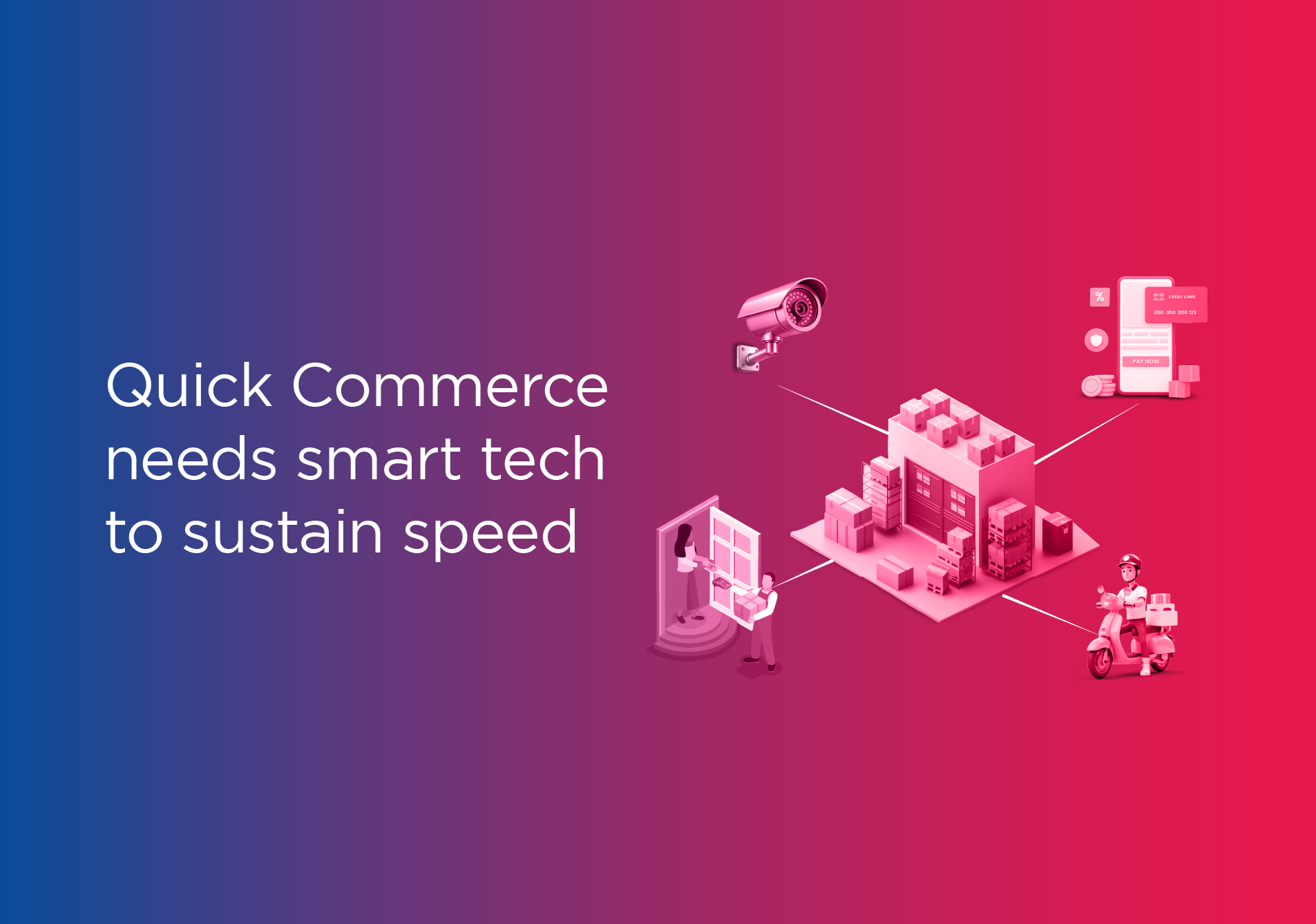
The rise of under-10-minute delivery and what drives it
Quick commerce has changed the way India shops. A burst of consumer demand led to the rapid rise of dark stores—micro-fulfilment centres located in densely populated areas, working round-the-clock to deliver groceries and essentials within minutes. But as quick commerce matures, it now faces its biggest challenge yet: balancing ultra-fast delivery with sustainable, scalable operations.
May, 2025
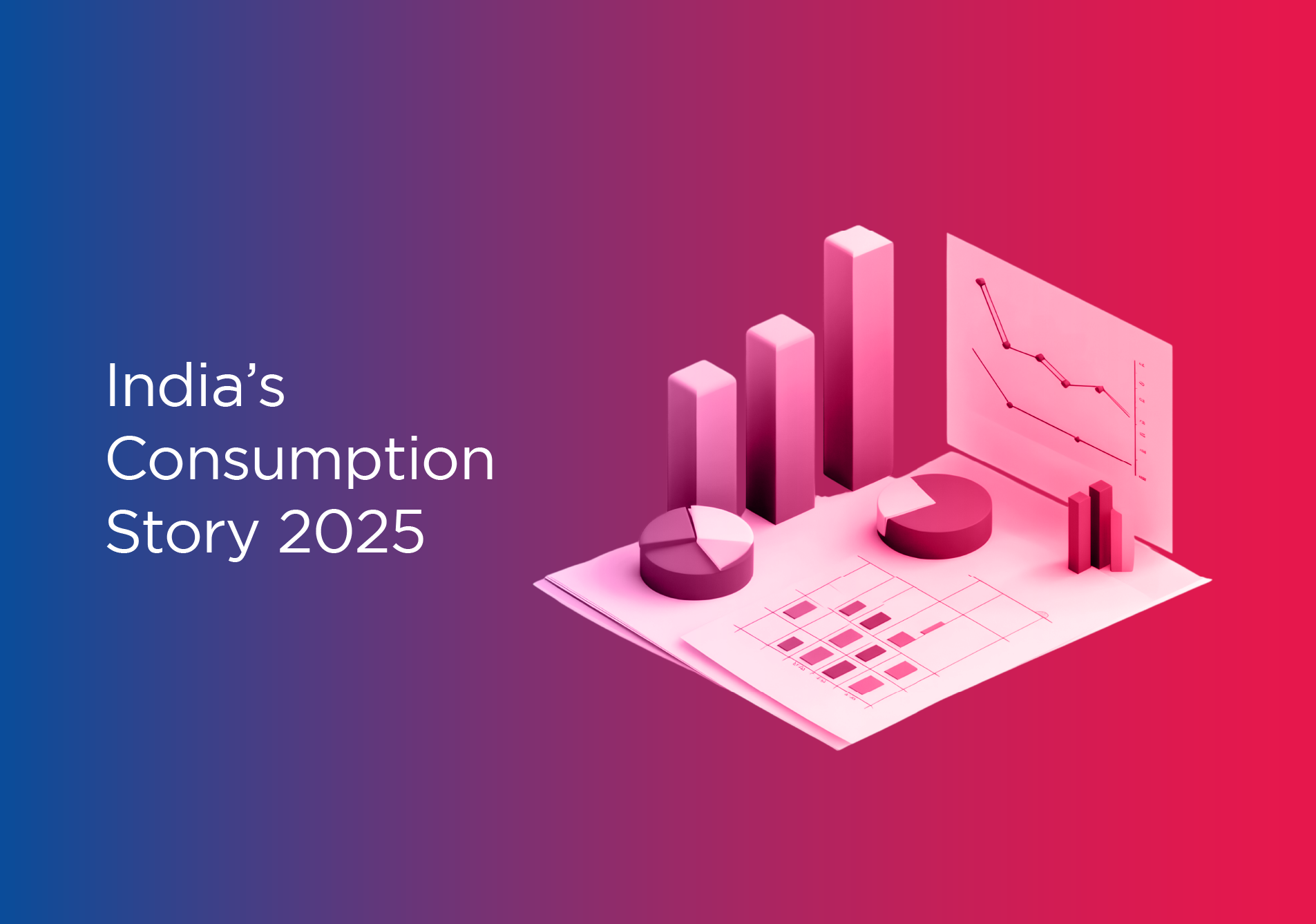
India’s shifting consumption landscape – a growing footprint
The CMS Consumption Report 2025, drawn from CMS Info Systems’ proprietary data, offers a front-row seat to this transformation, revealing how cash-led consumption continues to drive growth across sectors, states, and cities.
April, 2025
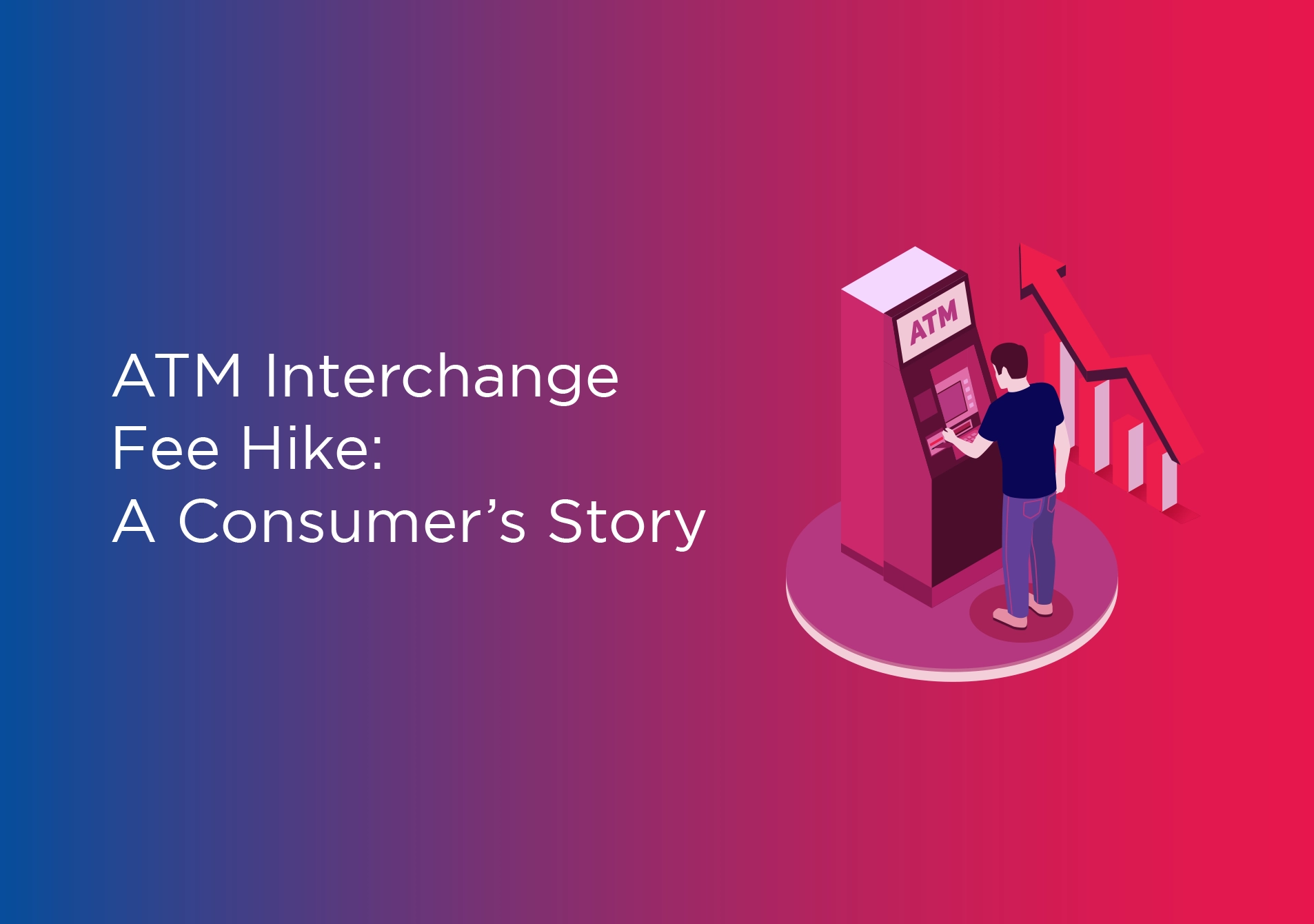
Will the hike really impact consumers?
Why the Reserve Bank of India announcement of an increase in the ATM interchange fee is a strategic step toward strengthening and democratizing the payments infrastructure, ensuring balanced financial accessibility and providing greater freedom of choice for people across the country.
March, 2025
Ensuring Inclusivity and Resilience in India’s payment landscape
How can we democratize the payments landscape to ensure equal participation for all, digital natives and non-digital users alike, even as we aim to avoid a future where reliance on a single payment method eliminates all others. If that system fails, it could cause irreversible damage to the economy.
February, 2025
The Hidden Challenges of Digital Payments
While digital payments in India have surged — with $2.5 trillion transacted via smartphones in 2023 — only half of internet users engage with core digital banking functions. Rising fraud, limited user autonomy, and system fragmentation continue to challenge the promise of a fully secure and seamless digital banking experience.
January, 2025
Unlocking Efficiency for Retailers: Digitising cash and transforming vigilance into business insights
By outsourcing cash automation and AI-based advanced surveillance, retailers can not only enhance security but also unlock opportunities to streamline operations, improve decision-making, and allocate resources more effectively. Why has outsourcing these critical functions become a game-changer in the retail landscape?
December, 2024
The Necessity of Outsourcing Services by Banks
It is getting increasingly important for the banking sector to remain focused on their core business—lending and borrowing, while partnering with integrated service providers to ensure the smooth running of adjacent operations. Find out why outsourcing has become an essential imperative for banking today.
November, 2024
Enabling business growth & agility in a dynamic landscape
Businesses are increasingly recognizing the value of outsourcing non-core functions, leading to the growth of specialized firms that provide world-class services while upholding trust. Find out how outsourcing is emerging as a key strategy for businesses, addressing unique challenges and solutions, and fostering the growth of a thriving ecosystem.
October, 2024
Building Trust and Operational Efficiency: The Essential Role of a Strong Logistics Partner in High-Value Goods Transportation
Every year, with the dawn of festive season, jewellery manufacturers and retailers gear up for their busiest time. It also brings to the front some unique challenges facing India’s bullion industry. What should you look for in a logistics partner who values your trust, shares your commitment to customer satisfaction, and prioritizes operational efficiency?
September, 2024
Leveraging Technology to transform Retail Cash Management
There are some trailing but unique challenges in the retail ecosystem around cash reconciliation. Find out how you can solve some of these big issues through outsourcing, automation, and technology.

August, 2024
Overcome EV-charging challenges with AI-led solutions
As India accelerates towards a greener future with the rapid growth of electric vehicles, addressing infrastructure and security challenges is more crucial than ever. Dive into our latest blog post to explore how AI-led surveillance can transform the EV landscape and support India’s sustainable mobility goals.
July, 2024
Why you should invest in AI-led surveillance solutions
Businesses increasingly need surveillance solutions that offer scalability and advanced technology. A powerful combination of AIoT and RPA can empower businesses to safeguard assets, make smarter decisions, and achieve significant cost savings. Businesses are increasingly feeling the need to rethink the approach to advanced surveillance and how it can be leveraged to better operational efficiency and enhanced safety.
June, 2024
Spotlight on consumption trends and hotspots in India in FY24
The Indian consumption story is expected to play out strongly in the coming decade. Within the larger retail consumption ecosystem, there are select sectors that are expected to witness a sharper increase in spending and grow at an accelerated pace in FY25.
May, 2024
ATMs: An Enabler to a Formalized Economy
ATMs have revolutionized access to formal banking across India, eliminating the need for consumers to visit branches for banking transactions and thus enabling 24/7 access. This is crucial in fostering financial inclusion and ensuring that the currency remains readily available to all segments of the population. We uncover how ATMs have proven to be strong but silent enablers to a formal economy.
April, 2024
Driving inclusive economic growth through comprehensive
Financial institutions are increasingly envisioning ATMs as intelligent branches to accelerate financial inclusion and enhance connected experiences across all touchpoints. Here’s a detailed analysis of a future marked by innovation and accessibility.
March, 2024
Integrated solutions to drive efficiency in retail operations
The Indian retail industry is witnessing a significant shift towards integrated solutions that leverages automation, outsourcing, and Vision AI to drive efficiency in retail operations. In this blog we deep dive into the power of automation & AI and the impact.
February, 2024
Bridging the gap between cash and cashless transactions in India
The inclusion of UPI in ATMs for cash withdrawals marks a significant expansion in its role as a payment system. However, it also emphasises the need for both cash and cashless transactions to co-exist to enable a financially inclusive India.
January, 2024
India’s retail consumption kaleidoscope: Evolving consumer preferences being the key drivers
The dynamism of the Indian consumer landscape and reveals a tale of evolution, resilience and promise. This blog takes in-depth look at 11 key consumer-centric sectors, offering valuable insights into Indian retail behavior and preferences.
December, 2023
Managing working capital by unlocking value through an integrated retail cash management solution
India's retail market is growing rapidly, with cash still playing a significant role in transactions. An efficient Retail Cash Management (RCM) solution enhances working capital, improves liquidity, boosts security, and streamlines cash handling, saving time and money. This smart technology helps retailers optimize cash flow, reduce costs, and drive business growth

November, 2023
Power your business insights through advanced surveillance systems
Advancements in traditional video surveillance systems, powered by AI, Big Data, and IoT, have transformed traditional monitoring into a powerful business intelligence tool. Modern Remote Monitoring Solutions (RMS) offer real-time anomaly detection, personalized alerts, and valuable insights on footfall, customer behavior, and operational efficiency, enhancing safety, productivity, and business performance.

October, 2023
The future of ATM cash withdrawals
ATMs have evolved with the Interoperable Cardless Cash Withdrawal (ICCW) feature, allowing UPI-based cash withdrawals. This innovation enhances security, reduces fraud risks, and provides greater convenience by enabling cardless transactions via mobile phones, promoting financial inclusion and easy access to cash without the need for physical debit cards.
September, 2023
Cash: An inclusive, original payment instrument
Despite the rise of digital methods, cash continues to play a vital role in the global economy, providing a choice for consumers across diverse demographic and economic backgrounds, remaining crucial for privacy, control over spending, and financial inclusion, particularly in countries like Germany, Japan, and India.